

Cambelt & Timing Belt Maintenance Guide
Protect Your Engine With Timely Cambelt Replacement
Your vehicle’s cambelt (also known as a timing belt) is one of the most important components inside your engine. It keeps the engine’s internal components moving together at exactly the right time, ensuring the valves and pistons operate correctly.
Unlike many vehicle components, a cambelt usually gives little warning before failure. If it breaks while the engine is running, it can cause significant internal engine damage and lead to a very expensive repair.
Knowing when your cambelt needs replacing can make the difference between reliable motoring and an unexpected breakdown.
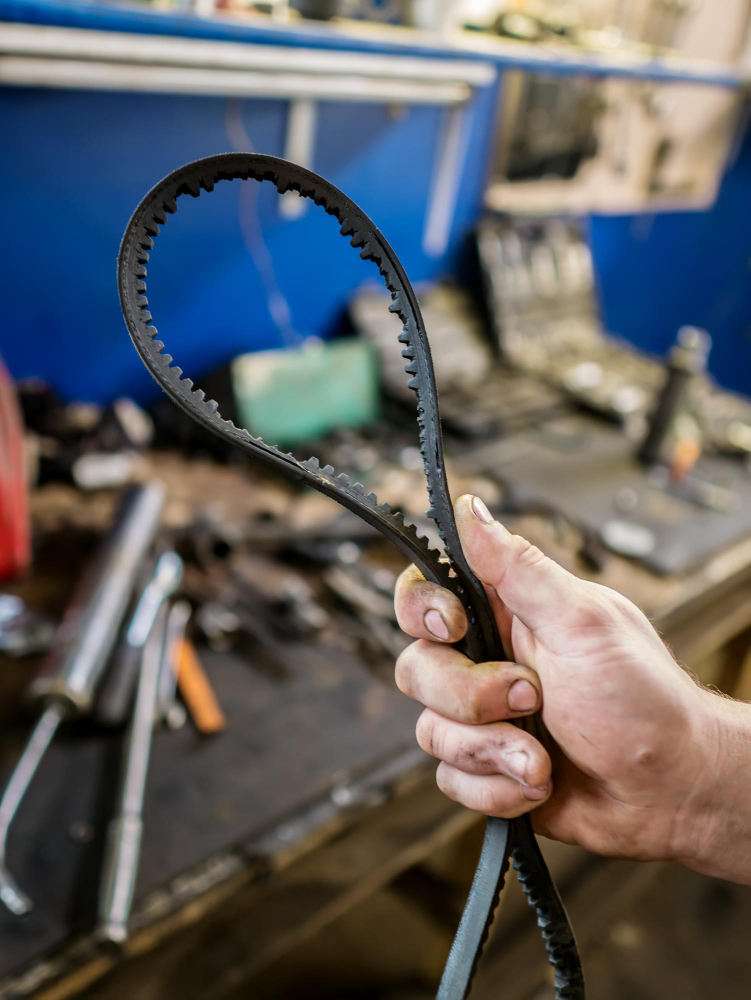
When Should a Cambelt Be Replaced?
Cambelt replacement intervals vary depending on the vehicle manufacturer, engine type, model, and year.
Many vehicles require a cambelt replacement around every 5 years or 100,000km, whichever comes first, but this can vary significantly between vehicles.
The safest approach is to check your manufacturer’s recommended replacement interval or speak with our team. We can help confirm when your vehicle’s cambelt is due based on its service history and specifications.
Why Cambelt Maintenance Matters
A cambelt works by keeping the engine’s valves and pistons moving in perfect timing.
A simple way to understand its importance is to imagine a bicycle chain. If the chain breaks, the bike stops working. A cambelt failure has the same basic effect, except inside an engine where the consequences can be much more serious.
When a cambelt snaps, the engine timing is immediately lost. In many engines, this can cause the valves and pistons to collide, resulting in bent valves, damaged components, and potentially thousands of dollars in repairs.
The cost of cambelt replacement is not the belt itself, it’s the damage that can happen when it fails.
How We Help With Cambelt Replacement
At Autostop, we inspect the complete braking system to iAt Autostop, we can help you understand your vehicle’s cambelt requirements and make sure replacement is completed at the correct time.
We can assist with:
- Checking manufacturer replacement intervals
- Inspecting service history and previous replacement records
- Cambelt replacement when required
- Checking related components such as tensioners and balance belts
- Pre-purchase inspections to identify unknown cambelt history
When replacing a cambelt, related components are often replaced at the same time because accessing these parts requires similar labour. This helps protect your engine and prevent future failures.
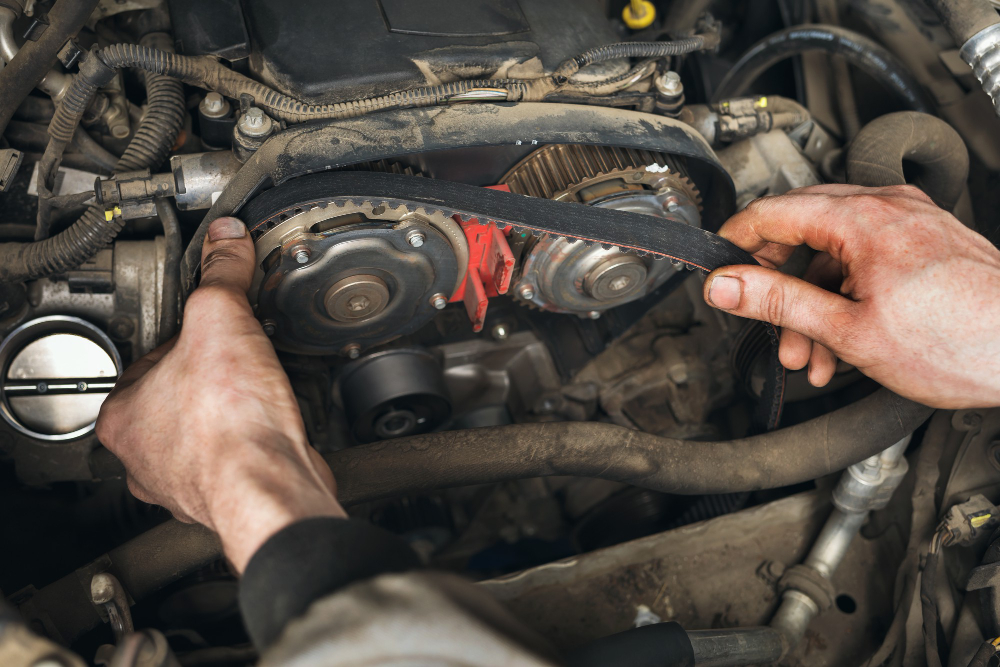
Buying a Used Vehicle? Check the Cambelt History
One of the most important things to check when buying a second-hand vehicle is whether the cambelt has been replaced and when.
Always check the vehicle’s service records and ask when the timing belt was last changed. If there is no clear evidence of replacement, it is worth having the vehicle inspected before purchase.
A pre-purchase inspection can identify whether the cambelt condition and service history are known, helping you avoid unexpected maintenance costs after buying your vehicle.
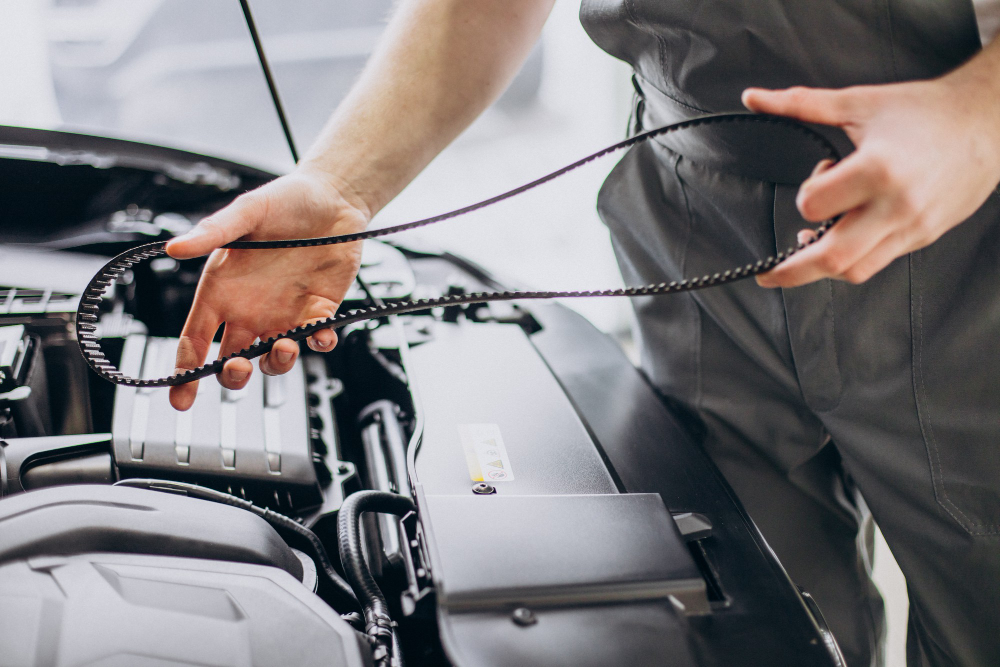
Looking After Your Cambelt
To avoid unexpected cambelt problems:
- Check your vehicle’s recommended replacement interval
- Keep accurate service records
- Replace the cambelt before it becomes overdue
- Ask about cambelt history when buying a used vehicle
- Have related timing components replaced when recommended
Preventative maintenance is far less expensive than repairing engine damage caused by cambelt failure.
Buying a Used Vehicle? Check the Cambelt History
One of the most important things to check when buying a second-hand vehicle is whether the cambelt has been replaced and when.
Always check the vehicle’s service records and ask when the timing belt was last changed. If there is no clear evidence of replacement, it is worth having the vehicle inspected before purchase.
A pre-purchase inspection can identify whether the cambelt condition and service history are known, helping you avoid unexpected maintenance costs after buying your vehicle.
Need Your Checked Checked?
Not sure when your cambelt was last replaced or whether your vehicle is due?
Our team can check your vehicle details, review service history, and recommend the right maintenance schedule.

Your Trusted Johnsonville Automotive Specialists
Autostop Johnsonville has been keeping Wellington vehicles safe and reliable for over 40 years. From WOF inspections and servicing to diagnostics and repairs, we provide honest advice and quality workmanship.
Come and See Us
2 Disraeli Street,
Johnsonville,
Wellington,
6037
Monday – Friday
7:00am – 6:00pm